

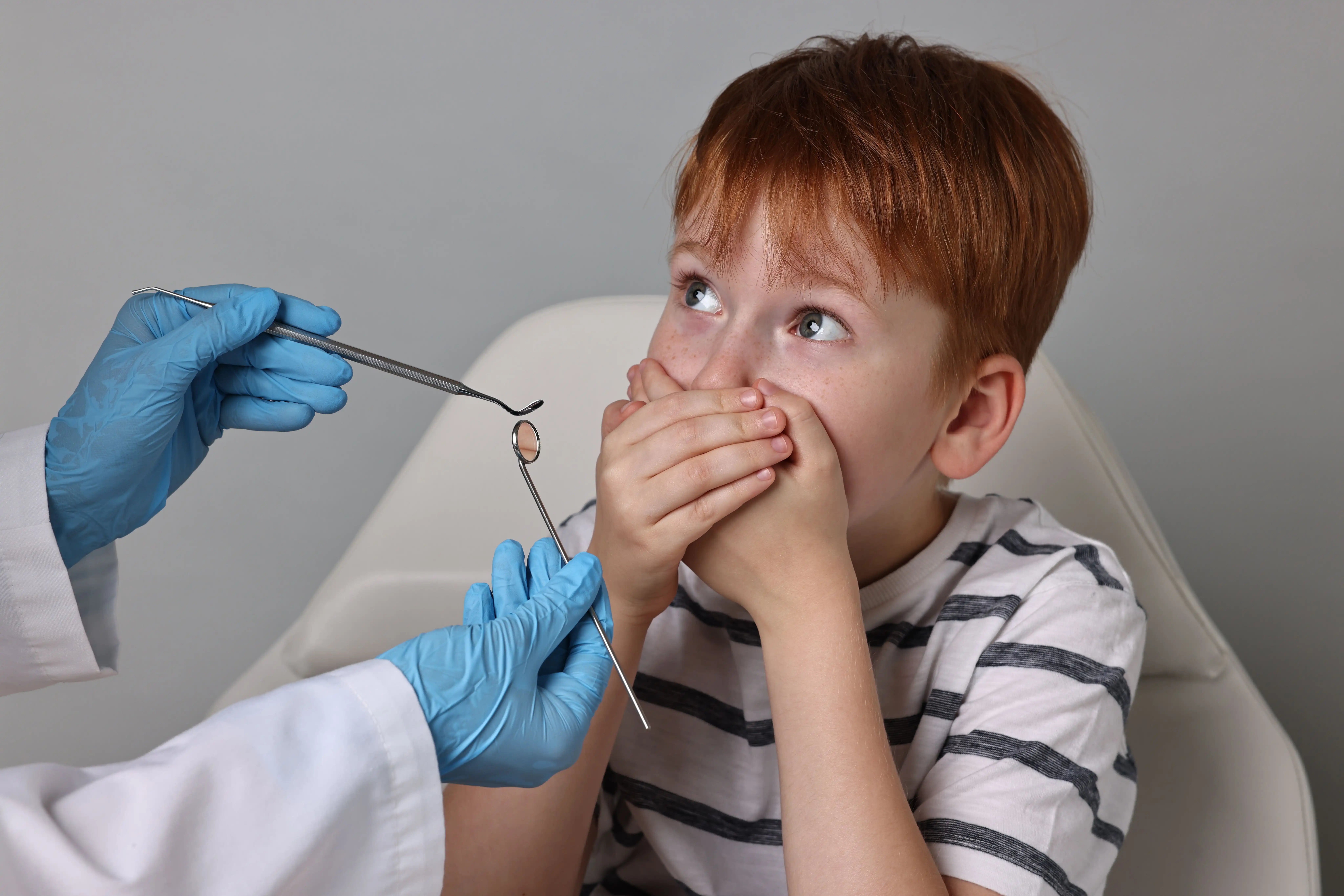
Fear of the Dentist?
Why it happens and how modern dentistry changed everything.
It’s Okay to Be Scared You’re Not Alone
If the idea of sitting in a dental chair makes your heart race, your palms sweat, or your stomach tighten, you are not weak and you are definitely not alone.
Fear of the dentist is one of the most common medical fears worldwide. Millions of adults avoid dental visits for years, not because they don’t care about their teeth, but because dental anxiety feels overwhelming.
Many patients say, “I know I need to go, but I just can’t.” Others ask themselves, “Why do I hate the dentist so much?” These feelings are real, valid, and deeply human.
In Egypt, especially in fast-paced areas like 6th of October, dental anxiety often leads people to delay care until pain becomes unbearable. This creates a cycle: fear causes delay, delay causes bigger problems, and bigger problems reinforce fear.
The good news? Dentistry has changed completely. Modern dentistry is no longer about pain or force. Today, painless dental treatment and stress-free visits are an everyday reality.
This guide is written for you if:
- You are scared of the dentist
- You have avoided dental visits for years
- You fear needles, drills, or pain
- You want help but don’t know where to start
Let’s gently break the fear step by step.
Understanding Your Fear: Where Does Dental Anxiety Come From?
Dental anxiety does not appear out of nowhere. It usually has deep psychological roots. Understanding the causes helps reduce its power.
1. Traumatic Childhood Experiences
Many adults trace their fear back to childhood. Years ago, dental care involved limited anesthesia, rushed appointments, and little communication. The brain remembers those experiences.
2. Loss of Control
Lying back with your mouth open and unable to speak can trigger panic, especially for people who value control in daily life.
3. Fear of Pain
Even if pain is no longer common, the expectation of pain is powerful. The brain reacts as if the pain is already happening.
4. Fear of Judgment
Many patients fear being judged for neglected teeth. This emotional fear can be just as strong as physical fear.
5. Stories From Others
Horror stories from friends or social media can amplify anxiety, even if they are not medically accurate.
Dental anxiety is not irrational. It is learned, and anything learned can be unlearned.
The Triggers: Is It the Needle, the Drill, or Something Else?
For most anxious patients, fear is not general; it is specific.
Fear of Dental Needles
Fear of needles is extremely common. It’s not just the pain, but the sight, anticipation, and memory of discomfort.
Fear of the Drill Sound
The high-pitched sound of dental drills can instantly raise stress levels, even before treatment begins.
Fear of Medical Smells
Clinical smells can trigger old memories and anxiety before treatment even starts.
Fear of Gagging or Choking
Some patients fear losing control of breathing or swallowing during treatment.
Recognizing your trigger is the first step toward overcoming dental fear.

Old-School Dentistry vs. Modern Dentistry: A Complete Revolution
Let’s be honest, dentistry in the 1990s is not dentistry today.
Then: Traditional Dentistry
- Pain was “expected”
- Limited communication
- Loud drills
- Visible needles
- Cold, clinical environments
Now: Modern Dentistry (2025)
Modern dentistry focuses on comfort, technology, and emotional safety.
The Environment
Dental clinics today feel more like wellness spaces. Calm lighting, soft colors, pleasant scents, and comfortable chairs reduce anxiety before treatment even starts.
Pain-Free Injection Techniques
Before any injection, dentists now apply topical numbing gel. This numbs the surface so you barely feel the needle, often not at all. This alone has transformed fear of dental needles.
Laser Dentistry
Laser dentistry allows certain procedures to be done with minimal vibration, less noise, and less discomfort. No drill sound. Less fear.
Digital Technology
No more choking on impression trays. Digital scanners are faster, cleaner, and far more comfortable.
Modern dentistry vs. traditional dentistry is not even a fair comparison. The difference is night and day.
The Science of Comfort: How Pain Is Actually Prevented
Let’s talk science simply.
Topical Anesthetic Gels
Before injections, numbing gel blocks surface sensation. This is why many patients don’t feel the injection at all.
Local Anesthesia
Modern anesthetics work faster, last longer, and are more precise. This ensures painless dental treatment throughout the procedure.
Gentle Techniques
Dentists today are trained to work slowly, gently, and with constant communication, especially for anxious patients.
Sedation Dentistry Options
Sedation dentistry for nervous patients doesn’t always mean full sedation. Sometimes it’s mild relaxation, controlled breathing, or calming reassurance.
The goal is simple: keep your nervous system calm.
How We Guarantee a Stress-Free Dental Visit at Sorriso Ezmerli
At Sorriso Ezmerli Dental Studio, we specialize in caring for anxious patients. Many of our patients come to us after years, sometimes decades, of avoiding the dentist.
We Listen First
Before any examination, we talk. You share your fears, past experiences, and triggers. No judgment ever.
You Are in Control
At any moment, you can raise your hand and we stop immediately. This sense of control dramatically reduces dental anxiety.
Calm Atmosphere
Soft music, pleasant scents, and relaxed lighting. Everything is designed for a stress-free dental visit.
Gentle, Step-by-Step Care
We explain everything before we do it. Nothing is sudden. Nothing is forced.
This is why many patients call us the most comfortable dental clinic in Egypt.
Sedation and Relaxation: What Are Your Options?
For patients with severe fear, additional support may help.
Local Anesthesia
Ensures pain-free treatment at the treatment site.
Anxiety Management Techniques
Slow breathing, reassurance, and short breaks help calm the nervous system.
Sedation Dentistry (When Appropriate)
In selected cases, mild sedation options may be discussed to help you relax safely.
The goal is always the same: painless dental treatment with emotional comfort.
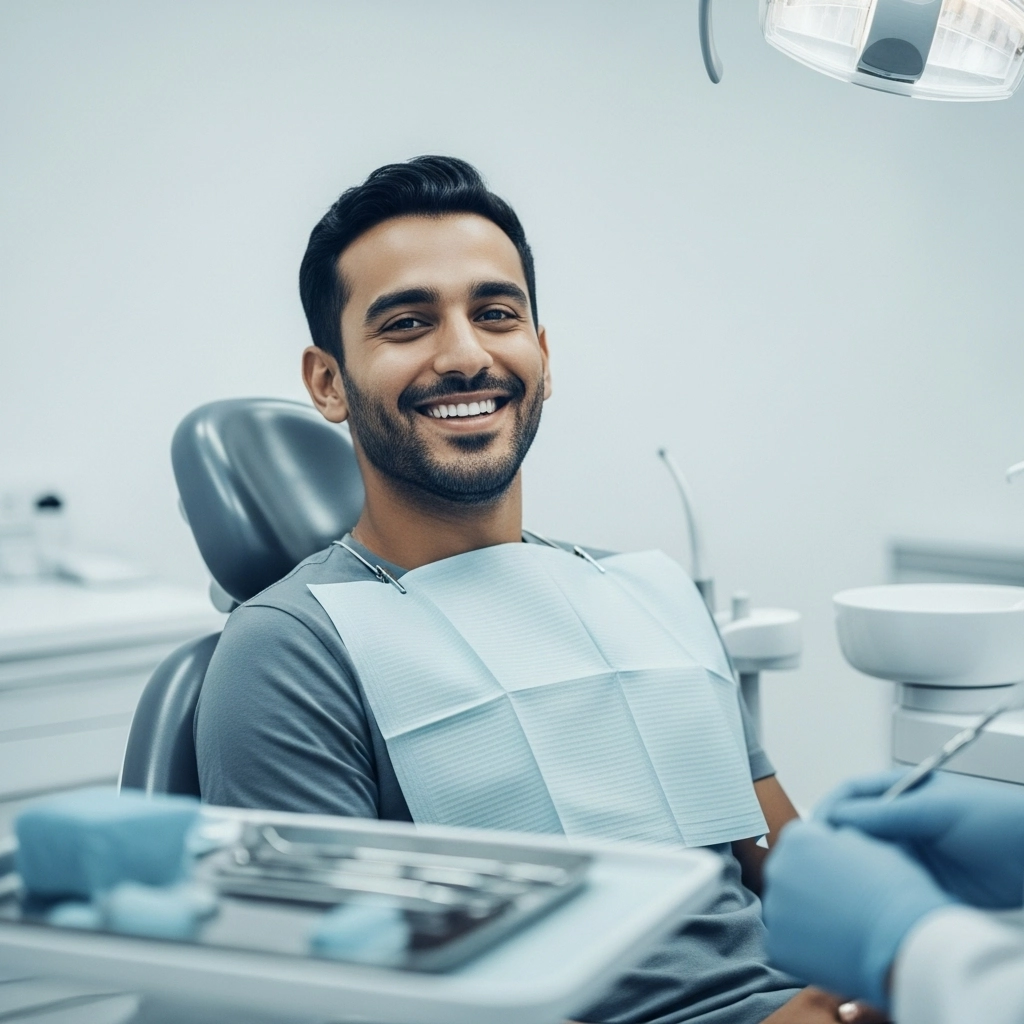
5 Practical Tips to Prepare for Your Next Dental Appointment
- Bring headphones and listen to calming music
- Schedule your appointment early in the day
- Come with a trusted friend or family member
- Tell the dentist honestly about your fear
- Start with a consultation only — no treatment
Small steps make a big difference.
You Don’t Have to Be Brave. You Just Have to Start.
Overcoming fear of the dentist does not mean forcing yourself through pain. It means choosing a different experience — one built on understanding, technology, and compassion.
Dental anxiety should never stop you from protecting your health. Painless dental treatment is real. Modern dentistry has changed everything.
If you’ve been scared for years, start with a conversation — not a procedure.
You don’t have to open your mouth on the first visit. You don’t have to decide anything today.
Book a stress-free consultation at Sorriso Ezmerli Dental Studio
Let’s talk. Let’s listen. Let’s change how you feel about the dentist forever.
Your comfort comes first. Your fear is respected. Your smile is safe.
FAQ
Why do so many people have fear of the dentist?
Fear of the dentist, also known as dental anxiety, often comes from past negative experiences, childhood trauma, fear of pain, or feeling a loss of control during treatment. Hearing horror stories from others can also increase fear.
What are the most common symptoms of dental anxiety?
Dental anxiety symptoms may include:
- Rapid heartbeat before an appointment
- Trouble sleeping the night before a visit
- Feeling tense or panicked in the waiting room
- Sweating, nausea, or shallow breathing
- Avoiding the dentist for years despite problems
These reactions are very common and completely normal.
Is fear of needles and dental drills common?
Yes. Fear of needles and the sound of drills are among the most common triggers of dental anxiety, even though modern dentistry has greatly reduced discomfort.
Can dental problems get worse if I avoid the dentist because of fear?
Unfortunately, yes. Avoiding dental visits allows small issues to develop into more serious problems that require complex treatment later.
How does modern dentistry help reduce dental fear?
Modern dentistry focuses on patient comfort and emotional well-being. This includes:
- Pain-free injection techniques
- Numbing gels before treatment
- Gentle tools and laser technology
- Quieter equipment and calming environments
What is painless dental treatment?
Painless dental treatment uses modern anesthetics, advanced tools, and patient-centered techniques to minimize discomfort and keep you relaxed and in control.
Can I stop the dentist during treatment if I feel uncomfortable?
Yes. You are always in control. You can pause treatment at any time by raising your hand or speaking up.
Is sedation dentistry an option for anxious patients?
In some cases, mild sedation or relaxation techniques may be discussed to help nervous patients feel comfortable and safe.