


When Is a Dental Checkup Really Necessary?
A complete preventive guide from your dentist
“I Feel Fine… Do I Really Need a Dental Checkup?”
Many people believe that if there is no pain, there is no dental problem. This belief is one of the main reasons dental issues become serious, painful, and expensive over time.
You may feel fine today, smile confidently, and eat without discomfort, yet still have hidden dental problems developing silently.
In fast-paced areas like 6th of October, work, family, and daily responsibilities often push healthcare appointments aside. As a result, routine dental visits are postponed again and again.
People commonly ask:
- How often should you visit the dentist for a checkup?
- Is dental cleaning necessary every 6 months?
- Do I need to see a dentist if I have no pain?
The truth is simple: a dental checkup is not treatment; it is prevention. Preventive dentistry is not a cost; it is an investment in your health, comfort, and long-term savings.
Most serious dental treatments could have been avoided with early detection during a routine dental visit.
This guide explains when a dental checkup is really necessary, how often dentist visits are recommended, what happens during a routine examination, and why preventive dentistry saves money and pain, especially for families living in 6th of October.
What Is Preventive Dentistry and Why It Matters
Preventive dentistry focuses on stopping dental problems before they start or before they become serious.
Instead of waiting for pain, swelling, or infection, preventive dental care identifies early issues and treats them in the simplest way possible.
A routine dental visit helps detect:
- Early tooth decay
- Gum disease
- Oral health changes
- Silent infections
- Painless dental warning signs
The biggest advantage of preventive dentistry is early dental detection. When problems are caught early, treatment is easier, faster, and far less expensive.
This is why dentists strongly recommend regular dental checkups even when you feel perfectly fine.
How Often Should You Visit the Dentist for a Checkup?
The “6-Month Rule”: Myth or Medical Necessity?
How often should you visit the dentist for a checkup?
The common advice is every six months, but the real answer depends on your personal risk factors.
The six-month rule comes from scientific studies showing that plaque buildup, tartar formation, and early gum disease often develop within this time frame.
For most people, visiting the dentist every six months allows:
- Early dental detection
- Professional teeth cleaning
- Monitoring of oral health changes
- Prevention of costly dental treatments
However, dental checkup frequency is not the same for everyone.
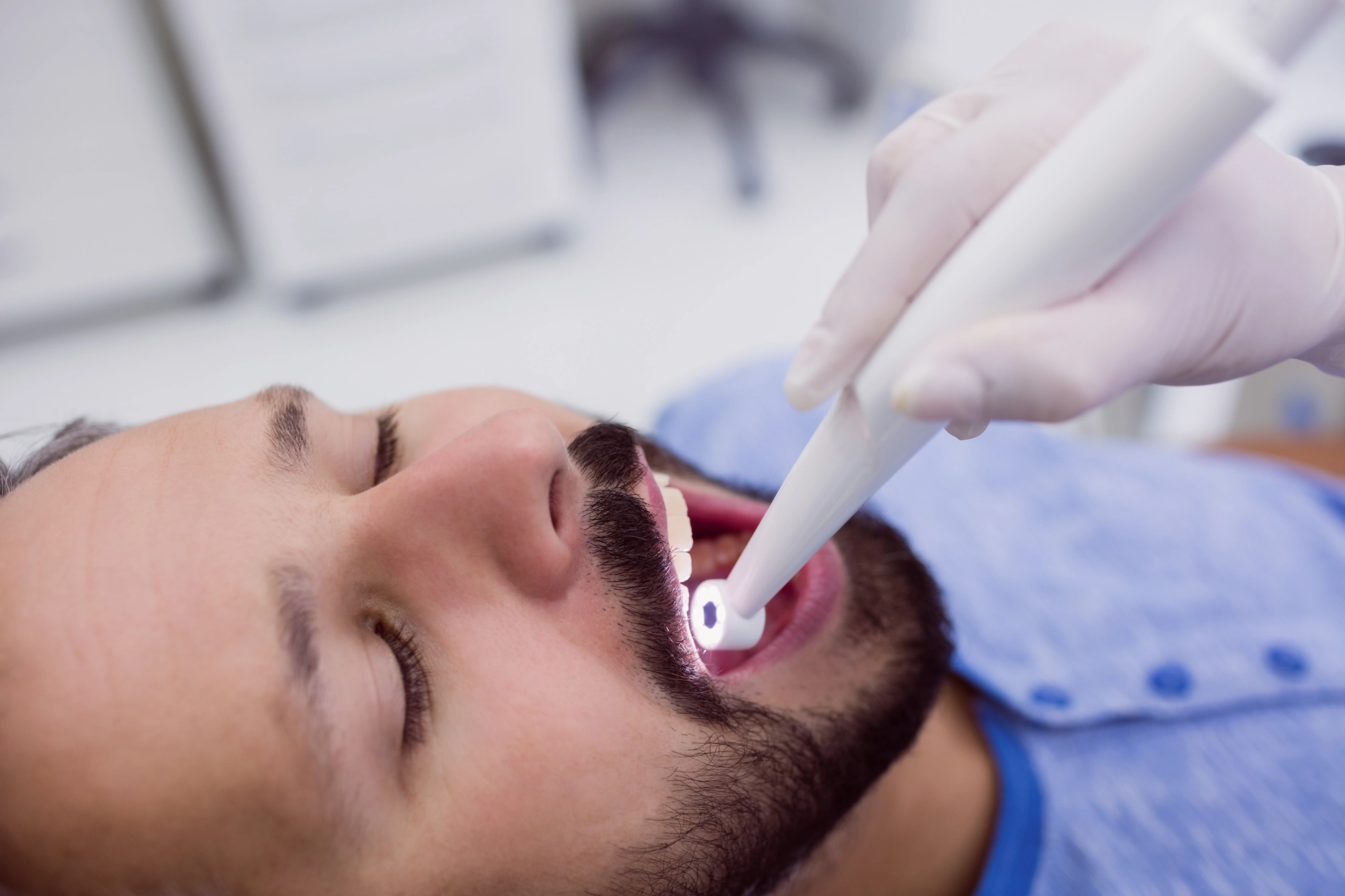
Dental Checkup Frequency for Different Groups
Children
Children should have a dental checkup every six months. Early visits help monitor tooth development, detect cavities early, and build positive dental habits.
When should a child have their first dental visit? Ideally by the age of one, or when the first tooth appears.
Healthy Adults
Healthy adults with good oral hygiene may visit every 6 to 12 months. However, a routine checkup every six months is ideal for early dental detection.
Smokers
Dental checkup frequency for smokers should be higher. Smoking hides gum disease symptoms and increases the risk of infections and oral cancer. Smokers often need checkups every 3–4 months.
Diabetics
Dental checkup frequency for diabetics is also higher due to increased risk of gum disease and infections. Regular visits help prevent complications.
Pregnant Women
Hormonal changes during pregnancy increase gum sensitivity, making routine dental visits essential.
Is It Necessary to See a Dentist If I Have No Pain?
Yes. Absolutely.
Pain is usually the last sign, not the first. Cavities, gum disease, and infections often develop silently without pain for months or even years.
A routine dental visit detects problems you cannot see or feel. Waiting for pain often means the issue has already become advanced.
What Happens During a Routine Dental Visit?
Step-by-Step Explanation (So You Know What to Expect)
One of the biggest patient fears is not knowing what will happen. Understanding what happens during a routine dental examination reduces anxiety and builds trust.
1. Medical History Review
Your dentist reviews your medical history, medications, and lifestyle habits to identify risk factors affecting oral health.
2. Digital X-Rays
Digital X-rays allow early detection of cavities between teeth, bone loss, and hidden infections. Many problems cannot be seen without imaging.
3. Gum Health Examination
The dentist checks for inflammation, bleeding, and gum pocket depth. This step is essential for diagnosing early gum disease.
4. Professional Teeth Cleaning
Professional teeth cleaning includes:
- Removal of plaque and tartar (scaling)
- Polishing to smooth tooth surfaces
- Cleaning along the gum line
This process is gentle and essential for preventing gum disease.
5. Oral Cancer Screening
Oral cancer screening is a routine but often overlooked part of a dental checkup. Early detection can be life-saving, especially for smokers.
6. Personalized Advice
The visit ends with clear, personalized recommendations. The goal is prevention, not pressure or unnecessary treatment.
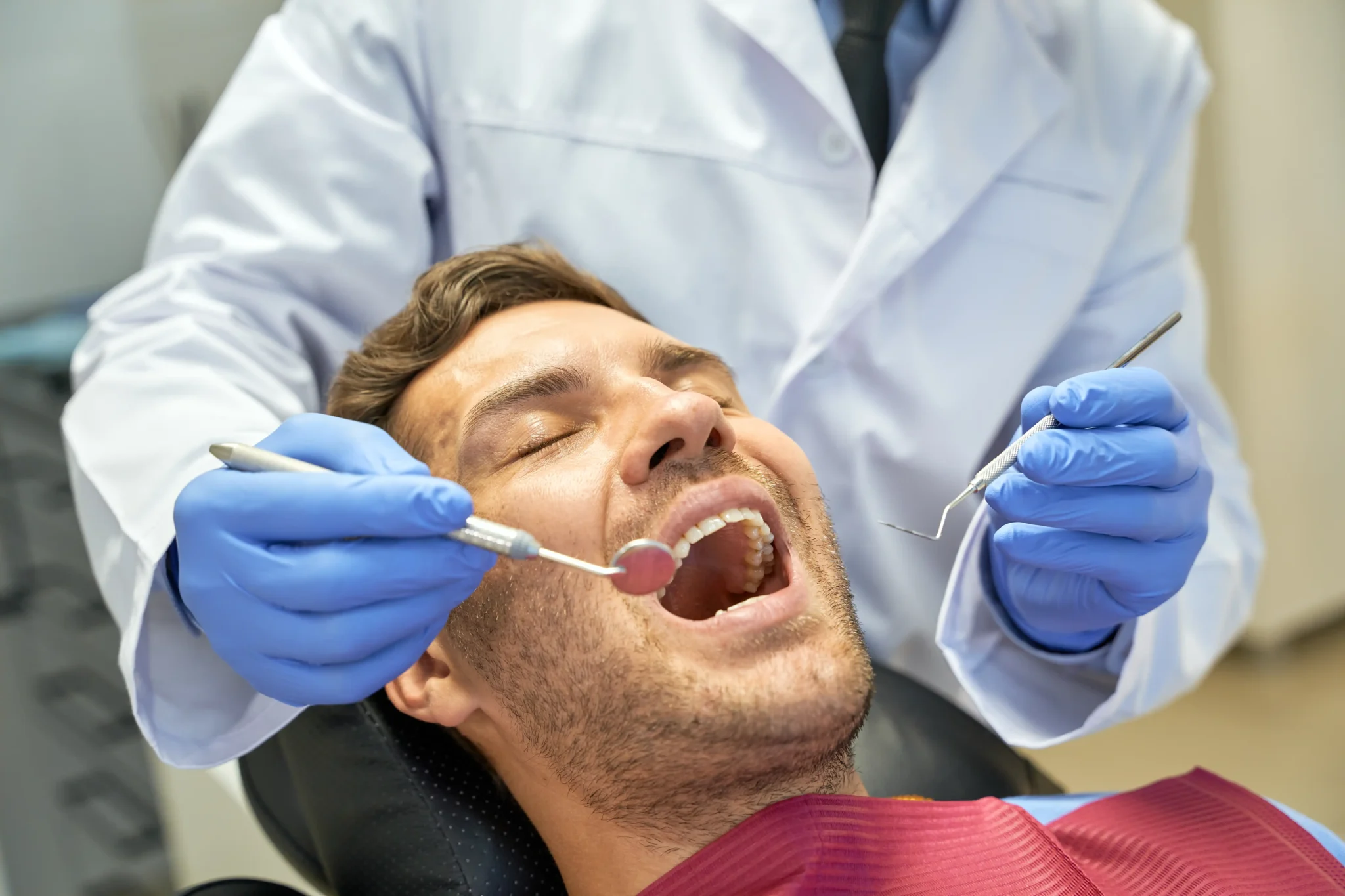
Dental Checkup vs. Dental Cleaning: What’s the Difference?
Many people confuse the two, but they serve different and complementary purposes.
- A dental checkup focuses on examination, diagnosis, and early detection.
- Dental cleaning is a preventive procedure that removes plaque and tartar.
Together, they protect oral health and prevent dental disease.
Why Preventive Dentistry Is Cheaper Than Treatment
One of the biggest advantages of preventive dentistry is saving money.
Patients often ask: Is preventive dentistry worth the cost?
Yes — always.
Cost Comparison in Egypt
- Routine dental visit + cleaning: affordable
- Dental filling: higher cost
- Root canal treatment: significantly higher
- Tooth extraction + implant: the most expensive option
How regular dental visits save money long-term is simple: early dental detection stops problems before they grow.
Cost of a Routine Dental Checkup in Egypt (2025)
The cost of a routine dental checkup in Egypt (2025) is far lower than advanced treatments. Preventive care is designed to be accessible and affordable for families.
When searching for the price of dental scaling and polishing, most people discover that prevention costs only a fraction of restorative procedures.
Why Residents Delay Dental Visits
Residents in busy urban areas often delay dental care due to:
- Busy schedules
- Fear from old dental experiences
- Belief that no pain means no problem
Modern dental clinics have changed this experience completely. Preventive visits today are calm, fast, and comfortable.
Why Choose Sorriso Ezmerli Dental Studio
At Sorriso Ezmerli Dental Studio, prevention always comes first. Our goal is to protect your smile before problems become painful or expensive.
Why patients choose us:
- Early dental detection using modern technology
- Comfortable, stress-free routine dental visits
- Clear and honest treatment plans
- Family-friendly environment
- Trusted dental care experience
We believe a dental checkup should bring peace of mind — not fear.
Don’t Wait for Pain to Schedule Your Dental Checkup
A dental checkup is not something you do only when something goes wrong. It is how you make sure nothing goes wrong in the first place.
If you’re wondering how often you should visit the dentist for a checkup, the best time to start is now. Early detection saves money, prevents pain, and protects your overall health.
Don’t wait for pain to tell you something is wrong.
Book your routine dental visit today at Sorriso Ezmerli Dental Studio and protect your smile before problems begin.
Schedule your dental checkup now.
FAQ
How often should you visit the dentist for a checkup?
Most people should visit every six months. High-risk patients may need more frequent visits.
Do I really need a dental cleaning every 6 months?
Yes. Professional cleaning removes tartar that brushing and flossing cannot remove.
What happens if early dental issues are left untreated?
Early dental problems slowly progress. Small cavities deepen, gum inflammation turns into infection, and minor issues become complex conditions.
Why do some people never feel pain even with serious dental problems?
The outer layer of the tooth (enamel) has no nerves. Decay can spread silently until it reaches deeper layers, which is why pain often appears late.