

Gum Treatment
Healthy gums are the foundation of a confident smile—don’t let gum problems hold you back!
Red, swollen, or bleeding gums are often early signs of gum disease. When tartar builds up over time, it can cause gingivitis, leading to inflamed gums that bleed easily while brushing. The good news? Gingivitis is reversible with simple treatments and improved oral care habits.
If left untreated, gingivitis can progress to periodontitis, a more serious condition that can impact your overall oral health.
Prevent
periodontal Disease
Periodontitis causes teeth to gradually lose support and it is the most common cause of tooth loss among adults. People are mostly unaware that they have severe gum disease because it usually progresses without pain. Your dentist and hygienist can detect early signs of gum disease and help prevent its progression. Patients with periodontitis are often referred to a specialist periodontist or gum specialist.

When gums shrink or pull away, the teeth often look longer as more of the root surfaces of the teeth are exposed. This is called gum recession

Gum Recession Treatment Healthy Gums. Healthy Smile
Your gums do more than just frame your teeth—they help secure them in place and protect their roots. When gums shrink or pull away from your teeth, it’s called gum recession. This condition not only affects the appearance of your smile but also exposes the roots of your teeth, increasing the risk of oral health issues.
What is Gum Recession?
Gums normally fit snugly around each tooth like a protective cuff. When they recede, your teeth can look longer, and more of their root surfaces are exposed. This may lead to discomfort, sensitivity, and other dental problems.
Longer-looking teeth
Gums pulling back make teeth appear unnaturally long.
Signs of Gum
Recession
Widening gaps
Gums receding can create noticeable spaces between teeth.
tooth sensitivity
Exposed roots may react to hot, cold, or sweet foods.
Loose teeth
Recession can weaken the support structure of your teeth
Chronic bad breath
Recession creates areas where bacteria can thrive.

Common causes of Gum recession
- gum (periodontal) disease
- injury or trauma to gum tissues
- aggressive tooth brushing
- smoking and tobacco use
- heavy build-up of plaque
- genetics
- ill-fitting partial dentures
Gum Problems & Oral Conditions Frequently asked questions
Is gum bleeding normal?
No.
Bleeding is a sign of inflammation, not brushing.
Healthy gums do not bleed.
Can gum disease affect overall health?
Yes.
Scientific studies link chronic gum inflammation to heart disease, diabetes complications, and other
systemic conditions.
Oral health is part of total body health.
Our Approach to Gum Recession Treatment
Gum recession poses both aesthetic and functional concerns. Unfortunately, receding gums cannot heal themselves and will require the help of your dentist or periodontist (gum specialist). At Sorriso Ezmerli Dental Studio, we offer gentle, effective treatments tailored to your needs. From improving oral hygiene to advanced procedures that restore gum health,
- If your gums recede because of gum disease, your dentist may recommend a non-surgical treatment called scaling and deep planing.
- If your gum recession is severe, your dentist may recommend a gum graft.
- If your gum recession is caused by aggressive brushing, your dentist or hygienist will teach you how to clean your teeth without hurting your gums.

Why Treat Gum Recession?
Without treatment, gum recession can lead to
Higher risk of tooth decay and root damage.
Gum infections and further tissue loss.
Potential tooth loss in severe cases.
Warning Signs Of Gum Disease
- Bleeding gums when brushing or flossing
- Red, swollen or tender gums
- Gums that pull away from the teeth
- Teeth that seem to be loose or moving away from one another
- Pus between gums and teeth
- Sores in the mouth
- Persistent bad breath
- Change in the way the teeth fit together when you bite
- Change in the way dentures fit

Gum Health & Oral Care Frequently asked questions
Is bleeding gums normal?
No.
Bleeding is a sign of inflammation.
If ignored, gum inflammation progresses into more serious disease.
Does scaling and tartar removal harm teeth?
On the contrary.
The harm comes from tartar itself—not from removing it.
Are gum problems serious?
Yes.
They affect tooth stability and overall systemic health.
Enjoy a more natural looking smile with gum Contouring
Gum Contouring
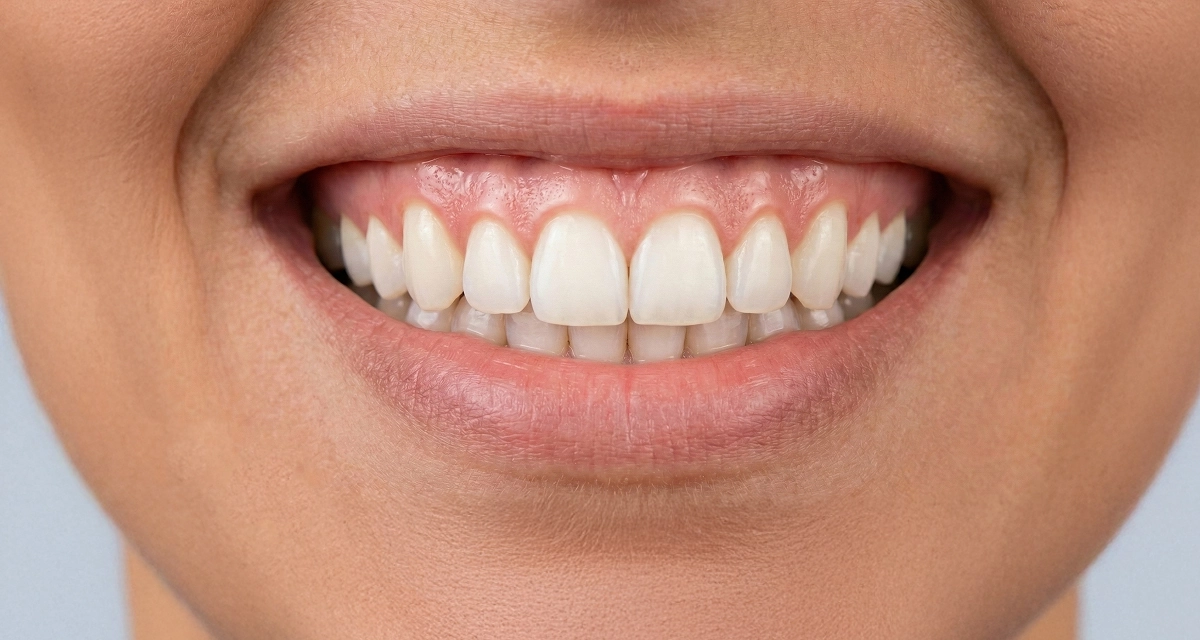
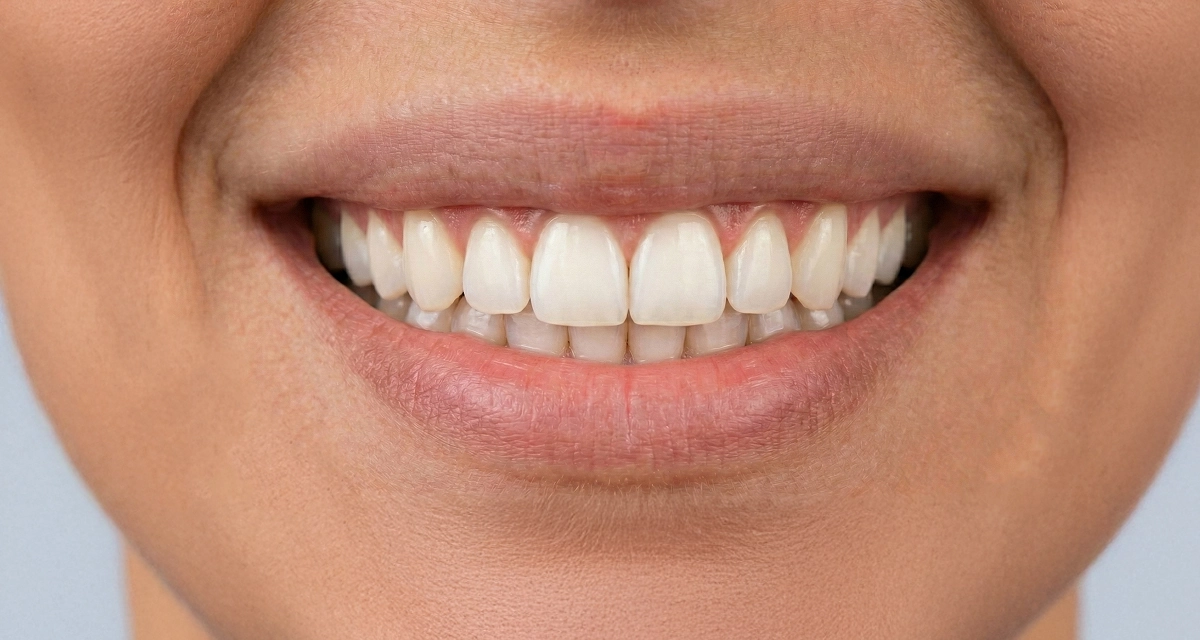
If your teeth appear too short or if your gums rest too low on your teeth, you could be a candidate for a gummy smile treatment. People with gummy smiles are often too embarrassed to smile and it often has a negative impact on their self-confidence.
Gum contouring and aesthetic crown lengthening are two common procedures we do to fix gummy smiles. Using lasers for gum contouring, our dentists and specialists can remove excess gum tissue and shape the gums. The procedure is quick, safe and permanent. With a crown lengthening procedure, excess gum and bone tissue are reshaped to expose more of your natural tooth.
If your teeth appear too short or if your gums rest too low on your teeth, you could be a candidate for a gummy smile treatment. People with gummy smiles are often too embarrassed to smile and it often has a negative impact on their self-confidence.
Gum contouring and aesthetic crown lengthening are two common procedures we do to fix gummy smiles. Using lasers for gum contouring, our dentists and specialists can remove excess gum tissue and shape the gums. The procedure is quick, safe and permanent. With a crown lengthening procedure, excess gum and bone tissue are reshaped to expose more of your natural tooth.
Gum Contouring
Gum Therapy
Gum disease -- which is also called periodontal disease -- is a common problem that affects people all over the world. Whether your gum disease is advanced or just getting started, we can help you have healthier gums and a more confident smile in the future.
Periodontal Therapy
Gum disease -- which is also called periodontal disease -- is a common problem that affects people all over the world. However, it can also be a very serious condition and a lot of people do not realize how much of a problem it can cause until the damage is already severe and concerning. You do not have to be one of the people who struggle with gum disease, and you can get treatment options that can improve the quality of your smile, the health of your gums, and your level of confidence, too. Whether your gum disease is advanced or just getting started, we can help you have healthier gums and a more confident smile in the future.

Gum Treatment Frequently asked questions
What is Gum Disease?
Gum disease occurs when the tissue around your teeth becomes infected. An infection can turn into major damage to the tissue and the bone that supports your teeth, when periodontal disease is not properly treated. Symptoms of gum disease can include:
- Bleeding gums
- Gums that are red or swollen
- Bad breath
- Loose teeth
- Tender gums
How Does Gum Disease Affect Me?
Many people think this is only an issue for a person's mouth, but it can have effects on the rest of the body, as well. For example, having untreated periodontal disease can raise your risk of high blood pressure, strokes, and heart disease. It can also result in complications for pregnant women and diabetics.
How do you treat Gum Disease?
With proper plaque control and regular, professional teeth cleaning services, we can help you reduce your risks of disease and improve your gum health. Our team will work with you to create a personalized plan and path toward treatment.
Tissue Grafting?
If you already have gum disease, you do have some options for treatment. Tissue grafting, for example, is an excellent way to restore receding gum lines and protect the gums you have left. When tissue is grafted, it is allowed to attach to the remaining gum tissue you have. That helps to fill in the areas where your gums may have receded, and can give you a healthier smile and firm up loose teeth. While this procedure can take some time to complete, it can be well worth it when it comes to protecting your gums, improving your smile, and potentially saving your teeth, as well.